
Performance
When facing a work of art, even after having deeply inspected its meanings and messages, we not always wonder about the creative process behind its creation. I am not referring to the execution techniques, although important, but rather to the material and unconscious path that it hides; to the experience from which the work originates and to the one that its execution generates as well.
Being an artist does not mean producing and collecting objects, but rather living the world and the relationship with others in a lively and prolific way, letting the imagination emerge. So remaining vital and curious, putting passion and enthusiasm in creating, striving to always find new meanings to things, deeper and deeper contents to concepts already addressed. We could say that it is possible to be an artist even without producing anything tangible. Likewise, social media teaches us every day how it is possible to find tangible products without this type of content, characterized by the obsessive reproduction of places, themes, compositions and light conditions. Movement is therefore opposed to this immobility of the imagination (and of the imaginary). This is a movement of the mind, of the thought, in first instance, but also a movement of the body when it comes to nature photography.
If in many fields of art, such as music, dance, theater, etc. there is the concept of exhibition, of the artistic performance in front of an audience, certainly it is not the same for photography which is not the most popular forms of expression for those who want to make art. But aspects similar to a real performance come into play, when photographing nature, where mind and body are tense in search of images capable of representing inner thoughts. If planning, knowing an area and its orography and studying the weather conditions can be compared to rehearsals and training of other disciplines, then the photographic hiking can be seen as an exhibition. Certainly, there is no audience that can enjoy the uniqueness of the moments lived with and for the work of art, but the intensity and expressiveness for the artist remain the same. So one could say that it is more similar to painting and sculpture; this may be true for certain types of photography, but not for that performed in the midst of nature.
Di fronte ad un’opera d’arte, anche quando sondata approfonditamente nei suoi significati e messaggi, non sempre ci si interroga sul processo creativo che ha portato alla sua realizzazione. Non mi riferisco alle tecniche di esecuzione, seppur importanti, quanto piuttosto al percorso materiale ed inconscio che questa nasconde; all’esperienza da cui origina l’opera ed a quella che la sua esecuzione genera a sua volta.
Essere artista non significa produrre e collezionare oggetti, ma piuttosto vivere il mondo ed il rapporto con il prossimo in maniera vivace e prolifica, lasciando emergere la fantasia. Rimanendo quindi vitali e curiosi, mettendo passione ed entusiasmo nel fare, sforzandosi di trovare sempre nuovi significati alle cose, contenuti sempre più profondi a concetti già affrontati. Si potrebbe arrivare a dire della possibilità di essere artisti anche senza produrre alcunché di tangibile. Allo stesso modo, i social media ci insegnano ogni giorno come sia possibile trovarsi di fronte a prodotti tangibili privi di questo tipo di contenuto, connotati nei fatti solamente da una pedissequa riproduzione di luoghi, temi, composizioni e condizioni luminose. A questo immobilismo dell’immaginazione (e dell’immaginario) si contrappone dunque il movimento. Movimento della mente, del pensiero, in primis, ma anche e soprattutto del corpo quando si parla di fotografia naturalistica.
Se in molti campi dell’arte, quali la musica, il ballo, il teatro, ecc. esiste il concetto di esibizione, di performance artistica di fronte ad un pubblico, sicuramente non può dirsi altrettanto della fotografia che, tra l’altro, non è certamente tra le forme espressive più gettonate da chi vuole fare arte. Eppure, nel fotografare la natura entrano in gioco degli aspetti assimilabili ad una vera e propria performance, in cui mente e corpo sono tesi alla ricerca di immagini in grado di rappresentare il proprio pensiero. Se la programmazione, la conoscenza del territorio e dell’orografia, lo studio delle condizioni metereologiche possono essere paragonati alle prove e agli allenamenti di altre discipline, allora l’escursione fotografica può essere vista come un’esibizione. Certamente manca la presenza del pubblico a cui regalare l’unicità dei momenti vissuti con e per l’opera, ma l’intensità e l’espressività per l’artista restano gli stessi. Viene dunque da pensare che sia più simile alla pittura ed alla scultura, in questo senso, ma ciò può forse essere vero per altre branche della fotografia, non per quella eseguita in mezzo alla natura.
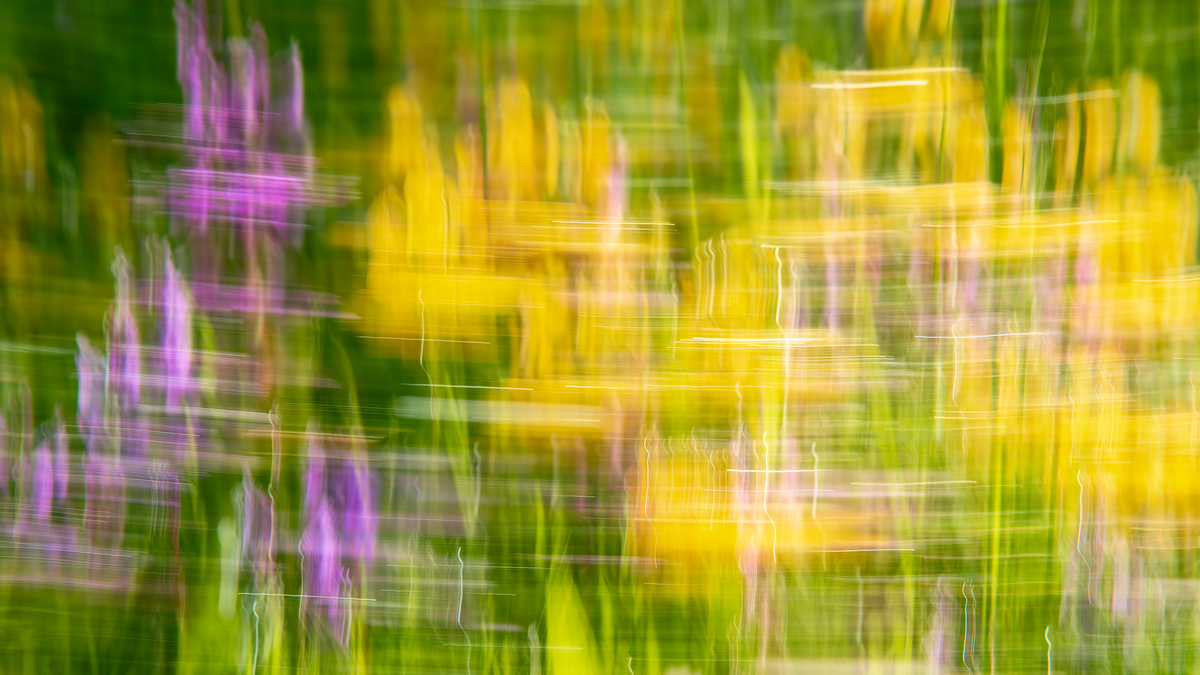
Wandering through woods, paths, ridges and valleys requires training and dedication. Often it is a real physical effort aimed at reaching the right place at the right time, in a situation that does not allow you to have control over the subjects and the light. This efforts could subtract energy to the mind, with the risk of realizing a representation of something great instead of a great representation of what is already inside the artist. In other words, it is about using your body to express things, rather than to create them. The result will be a concept, a thought, an idea rather than the digital or physical medium that reproduces it. Beyond an important physical performance, there will be an immaterial, yet powerful result. This is in contrast to the muscular, popular, social media images, that have weak content and that are realized with an almost minimal effort.
Therefore it can be said that the performance, in nature photography, is reserved for the narrowest and most critical audience possible: oneself. It is a sort of material as well as meditative and contemplative path which, carried out in solitude, is actually aimed at sharing with others. A self-fulfilling practice which also has the final aim of giving others the most intimate part of themselves.
“In the solitude of the immaculate nature, each moment is woth its wight in gold and brings us closer to the ultimate nature of things. External silence opens the doors of inner silence. Then, the freshness of the present moment nurtures our heart with good qualities. When silence reigns, our mind can easily stretch over the space that surrounds us and mix with it. External peace and inner peace become one. […] Such solitude, far from cutting us off the world, becomes a powerful means to open ourselves to others, to make us aware of the interdependence of everything and create limitless love for all being. This solitude enables us to understand that genuine happiness is a state of lasting fullness, arising as soon as we are freed from mental blindness and conflictual emotions. A wisdom that lets us perceive the worlds just the way it is, without veils or distortion, a joy that makes us move towards the inner freedom and let the loving goodness shine into others.” – Matthieu Richard, postface a Solitude I&II, Vincent Munier, Kobalann, 2013
Aggirarsi per boschi, sentieri, creste e valli richiede preparazione e tenacia. Si tratta a volte anche di uno sforzo fisico vero e proprio teso a raggiungere il posto giusto al momento giusto, in una realtà che non consente di avere il controllo sui soggetti e la luce. Sforzo che rischia di sottrarre energie alla mente che quindi può trovarsi a voler ripiegare sulla rappresentazione di qualcosa di grande, quando invece dovrebbe concentrarsi su una grande rappresentazione di quanto è già dentro di sé. In altre parole, si tratta anche di usare il proprio corpo per esprimere cose, più che a crearne. Il risultato sarà il concetto, il pensiero, l’idea piuttosto che il supporto digitale o fisico che lo riproduce. A fronte di una prestazione fisica importante, ci sarà un risultato immateriale, eppure potente. Ciò In contrasto con le immagini muscolari, popolari sui social, però deboli di contenuto e, magari, realizzate per paradosso col minimo sforzo.
Si può quindi dire che la performance, nella fotografia naturalistica, sia riservata alla platea più stretta e critica possibile: se stessi. Si tratta di una sorta di percorso materiale, meditativo e contemplativo che, svolto in solitudine, è in realtà teso alla condivisione col prossimo. Una pratica auto-realizzativa che ha però anche lo scopo finale di donare agli altri la parte più intima di se stessi.
“Nella solitudine della natura immacolata, ogni momento vale il suo peso in oro e ci porta sempre più vicini alla natura ultima delle cose. Il silenzio esterno apre le porte al silenzio interiore. Quindi, la freschezza del momento presente nutre il nostro cuore con buone qualità. Quando il silenzio regna, la nostra mente può facilmente spandersi nello spazio che ci circonda e mischiarsi ad esso. La pace esteriore e quella interiore diventano una. […] Questa solitudine, lontana dal tagliarci fuori dal mondo, diventa un motivo potente per aprire noi stessi agli altri, ci rende coscienti dell’interdipendenza del tutto e crea un amore illimitato per tutti gli esseri. Questa solitudine ci fa capire che la felicità genuina è uno stato di pienezza duratura, che si realizza non appena ci si libera dalla cecità mentale e dalle emozioni conflittuali. Una speranza che ci fa percepire il mondo per quello che è, senza veli e distorsioni, una gioia che ci fa avanzare verso la libertà interiore e che fa brillare l’amorevole bontà dentro gli altri.” – Matthieu Richard, postfazione a Solitude I&II, Vincent Munier, Kobalann, 2013