
Time suspended in the lens
The concept of time, strictly linked to the human condition, shows itself in a complex and multifaceted way. Photography, with its ability to capture fleeting moments and fix unique moments, becomes a tool that allows to explore it in all its nuances; it is an art that can freeze the flow of time and shape it into a visual story. Above all it can capture and reflect its subjective nature, influenced by the mind.
Photographing nature confirms how time is not a constant, but rather a changing variable. The succession of seasons and the changes they bring: the different light angles, the climatic changes, the behavior of animals; each element creates a symphony of unique moments. In this visual representation, photography captures the uniqueness of time, showing us how the infinite sequence of present moments can be characterized by different sensations and atmospheres.
We are not just talking about “captured” time but also about time spent researching particular subjects and moments of the day and year. You can spend hours looking for the right shooting point, the right light, in uncomfortable conditions or in adverse weather, without noticing their flow; likewise, it may seem as if the hands of the clock are not moving while waiting for the desired combination of variables. In the same way, livign again the same experience, in different moments of our life, can give diametrically opposite sensations.
Il concetto di tempo, intrinsecamente legato alla condizione umana, si manifesta in modo complesso e sfaccettato. La fotografia, con la sua capacità di catturare attimi fugaci e di fissare istanti indelebili, diventa uno strumento che permette di esplorarlo in tutte le sue sfumature; è un’arte che può congelare il fluire del tempo e plasmarlo in una narrazione visuale. Può soprattutto catture e riflettere la sua natura soggettiva, influenzata dalla psiche.
Fotografare la natura conferma quanto il tempo non sia una costante, quanto piuttosto una variabile mutevole. Il rincorrersi delle stagioni ed i cambiamenti che esse portano: la diversa incidenza della luce, i fattori climatici, il comportamento degli animali; ogni elemento crea una sinfonia di momenti unici. In questa rappresentazione visiva, la fotografia cattura l’unicità del tempo, mostrandoci come l’infinito susseguirsi di momenti presenti possa essere intriso di diverse sensazioni e atmosfere.
Non si parla solo di tempo “catturato” ma anche del tempo vissuto ricercando soggetti e momenti peculiari del giorno e dell’anno. Si possono passare ore a cercare il punto di ripresa adatto, la giusta luce, in condizioni di disagio o con clima avverso, senza accorgersi del loro scorrere; altresì, può sembrare che le lancette dell’orologio non si muovano nell’attesa della combinazione di variabili desiderata. Allo stesso modo, ripetere la medesima esperienza, in momenti diversi della nostra vita, può restituirci sensazioni diametralmente opposte.
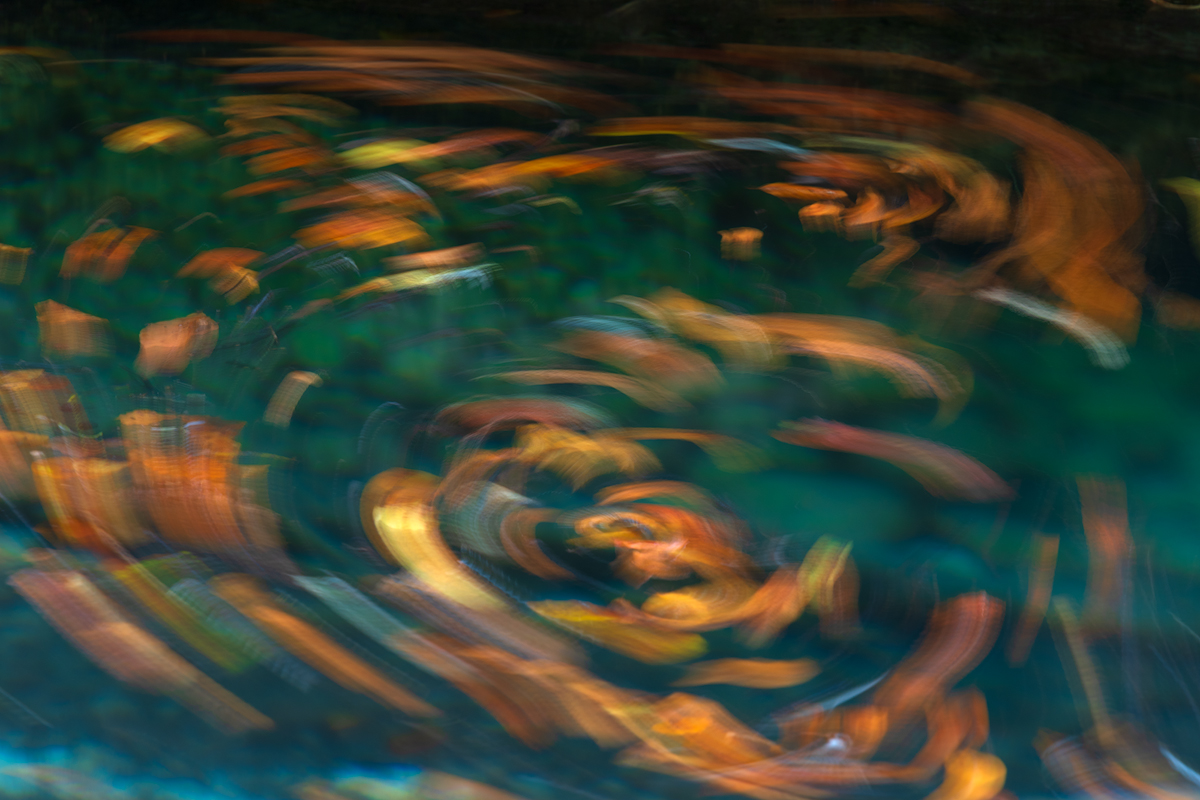
So, experience teaches us that the perception of time is subjective. Each person processes the concept of time differently, influenced by their own experience, culture and mood. Photography therefore becomes a mirror of this relativity, since the author interprets the flow of time based on his own state of mind, just as the observer does. You can get lost both in the creation of an image and in its observation. Immersing yourself in a shot means accessing an oniric plane where time flows changeably and becomes image, concept, interpretation.
The lens suspends the temporal factor of light, impressing on the sensor and the observer something unique that wasn’t there before; it’s like love: it can last the blink of an eye and yet seems eternal.
L’esperienza, quindi, ci insegna che la percezione del tempo è soggettiva. Ogni individuo elabora il concetto di tempo in modo diverso, influenzato dalla propria esperienza, cultura e stato emotivo. La fotografia diventa dunque uno specchio di questa relatività, poiché l’autore interpreta il fluire del tempo in base al proprio stato d’animo, così come fa l’osservatore. Ci si può perdere tanto nella creazione di un’immagine, quanto nella sua osservazione. Immergersi in uno scatto significa accedere ad un piano onirico dove il tempo scorre mutevolmente e diventa immagine, concetto, interpretazione.
L’obiettivo sospende il fattore temporale della luce, imprimendo sul sensore e nell’osservatore qualcosa di unico, che prima non c’era; è come un amore: può durare un batter d’occhio eppure sembrare eterno.